Number and Case Agreement
Background
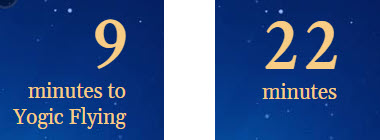
Two words (minutes & participants) are used in combination with numbers. Depending on the language, these words may need to change their case to match the associated number.
Here are some examples:
- Turkish: 0 dakika, 1 dakika, 2 dakika (no change)
- English: 0 minutes, 1 minute, 2 minutes
- French: 0 minute, 1 minute, 2 minutes
- Ukrainian: 0 хвилин, 1 хвилина, 2, 3 or 4 хвилини, 5 хвилин
Where the words are used
Minutes
Translation key: SESSION_PICKER.minute.cases. Used in: SESSION_PICKER.minutes

Translation key: PROGRAM.time.minute.cases. Used in: PROGRAM.time.minutes_before and PROGRAM.time.minutes_after
Participants
Translation key: PROGRAM.counter.participant.cases

Translation key: PARTICIPANTS.heading.cases

How to specify cases
Here are examples on how to specify cases in translation keys:
No change in case (e.g. Turkish)
else: dakika
Singular & plural cases (e.g. English)
one: minute
else: minutes
Zero, singular & plural cases (e.g. French)
zero: minute
one: minute
else: minutes
Eastern Slavic cases (e.g. Ukrainian & Russian)
rules: slavic
one: хвилина
two_three_four: хвилини
else: хвилин
The slavic rules are as follows:
- If the number ends 1, the
onecase is used, except if the number ends in 11 then theelsecase is used. - If the number ends in 2, 3 or 4, the
two_three_fourcase is used, except if the number ends in 12, 13 or 14 then theelsecase is used. - For all other numbers, the
elsecase is used.
Arabic cases
rules: arabic
two: دقيقتان
three_to_ten: دقائق
else: دقيقة
The arabic rules are as follows:
- If the number is 2, the
twocase is used. - If the number ends in 03 through 10, the
three_to_tencase is used. - For all other numbers, the
elsecase is used.